
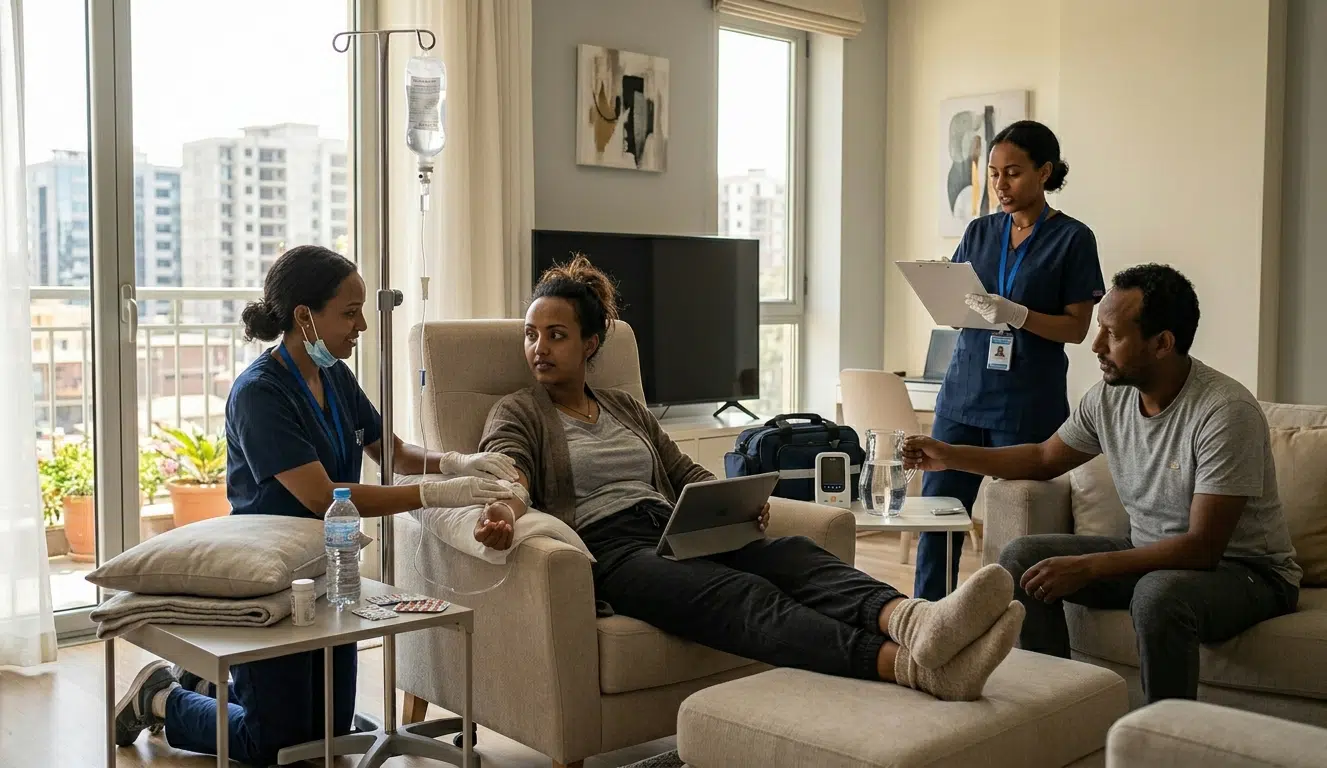
Why Home Recovery Matters
After surgery, patients need a comfortable and safe environment where they can rest and heal. Home recovery allows patients to remain close to their loved ones while receiving personalized support.
Professional home care services can also provide valuable assistance for patients who require extra support during the healing process.
1. Home Preparation Before Returning from the Hospital
Preparing the home before the patient arrives is one of the most important steps in ensuring a smooth recovery.
Create a Safe Recovery Space
Choose a quiet, comfortable room where the patient can rest without unnecessary disturbances. The recovery area should have:
- Easy access to a bathroom
- Comfortable bedding and pillows
- Adequate lighting
- Good ventilation
- A table for medications, water, and personal items
Remove Safety Hazards
To reduce the risk of falls and injuries:
- Remove loose rugs and electrical cords
- Keep walkways clear
- Install handrails if necessary
- Ensure stairs are well-lit
- Place frequently used items within easy reach
Prepare Essential Supplies
Before discharge, make sure you have:
- Prescribed medications
- Dressing and wound care supplies
- Thermometer
- Drinking water and nutritious foods
- Mobility aids such as walkers or canes if recommended
Wound Care and Infection Prevention
Proper wound care is critical for preventing infections and promoting healing.
Follow Medical Instructions
Always follow the surgeon’s instructions regarding:
- Dressing changes
- Bathing restrictions
- Medication schedules
- Activity limitations
Keep the Wound Clean and Dry
Wash your hands before touching the wound or changing dressings. Use clean materials and follow the recommended wound care procedure provided by healthcare professionals.
Watch for Warning Signs
Watch for Warning Signs
Contact a healthcare provider if you notice:
- Increased redness around the wound
- Swelling or unusual pain
- Fever
- Foul-smelling discharge
- Excessive bleeding
Early detection of complications can prevent serious health problems.
Mobility Assistance and Physical Support
Many patients experience temporary weakness, pain, or limited movement after surgery. Safe mobility is essential for recovery.
Encourage Gentle Movement
Healthcare providers often recommend light activity to improve circulation and reduce the risk of blood clots. Encourage the patient to move according to their doctor’s instructions.
Assist with Walking
Some patients may require support when standing, walking, or using stairs. Family members should:
- Offer steady assistance
- Use recommended mobility devices
- Avoid rushing the patient
- Ensure pathways are clear and safe
Support Daily Activities
Patients recovering from surgery may need help with:
- Bathing
- Dressing
- Meal preparation
- Medication reminders
- Transportation
Professional caregivers can provide these services when family members are unavailable.
Nutrition and Hydration
Good nutrition supports tissue repair and strengthens the immune system.
Encourage the patient to consume:
- Lean proteins
- Fruits and vegetables
- Whole grains
- Plenty of water
Avoid foods that may interfere with medications or slow recovery unless approved by a healthcare provider.
When Professional Home Care Can Help
Some patients require additional support during recovery. Professional caregivers can assist with personal care, mobility support, medication reminders, companionship, and monitoring daily health conditions.
Home care services can be especially beneficial for older adults, individuals living alone, or patients recovering from major surgical procedures.
Conclusion
Successful post-surgery recovery at home requires preparation, proper wound care, mobility assistance, good nutrition, and regular follow-up care. Family members play an important role in supporting the healing process and ensuring patient safety.
At Comfort Home Care Service, we understand the challenges families face during recovery. Our trained caregivers provide compassionate support to help patients recover safely and comfortably in their own homes, allowing families to focus on what matters most—healing and well-being.